

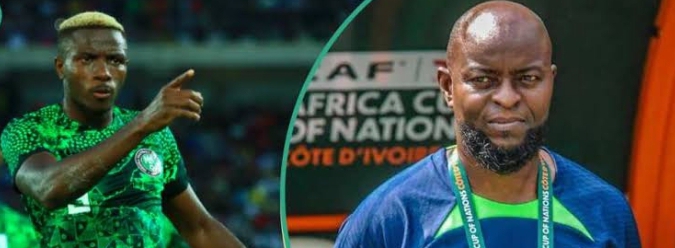
Victor Osimhen, a rising star in Nigerian football, recently made headlines with a live outburst against former Super Eagles coach Finidi George. This public dispute sheds light on deeper issues within Nigerian football, where tensions between players and management often simmer beneath the surface.
The Beginning of the Conflict

The conflict between Osimhen and George traces back to disagreements over team selection and tactics during national team matches. Osimhen, known for his passion and dedication, felt sidelined and frustrated by decisions made by the coaching staff, particularly by George, a respected figure in Nigerian football.
The Outburst
During a live session, Osimhen lashed out at George, expressing his frustration in a manner many perceived as disrespectful. He criticized George’s coaching methods and questioned his competence, leading to a public backlash and sparking debates about professionalism and respect in sports.
Analysis of the Situation
- Emotional Management: Osimhen’s emotional response highlights the need for players to manage their feelings constructively. Venting frustrations publicly can damage reputations and relationships, making it crucial for players to find healthier outlets for their emotions.
- Communication Breakdown: The situation underscores a lack of effective communication between players and coaching staff. Regular, open dialogue could have addressed underlying issues, preventing them from escalating into public disputes.
- Respect for Authority: While players have a right to voice concerns, it’s essential to do so respectfully. Disrespecting a coach, especially a seasoned one like George, not only undermines authority but also sets a poor example for younger players.
How It Could Have Been Handled Better
- Private Discussions: Osimhen could have requested a private meeting with George to discuss his concerns. This would have allowed for a more constructive conversation and fostered mutual understanding.
- Mediation: Involving a third party, such as team management or a sports psychologist, could have facilitated a resolution. Mediation can help bridge gaps and address grievances without resorting to public outbursts.
- Public Relations: Both parties could have used official channels to communicate their perspectives. Issuing statements through the team or conducting joint press conferences can help manage narratives and maintain professionalism.
The Way Forward
- Improved Communication Channels: Establishing clear communication channels between players and coaching staff is essential. Regular team meetings, feedback sessions, and open-door policies can help build trust and prevent conflicts.
- Professional Development: Providing training in emotional intelligence and conflict resolution for both players and coaches can equip them to handle disagreements constructively. This can enhance team cohesion and performance.
- Role of Sports Federations: The Nigerian Football Federation (NFF) should play a proactive role in mediating conflicts and fostering a culture of respect and professionalism within the team.
- Reconciliation Efforts: Encouraging Osimhen and George to reconcile publicly can help repair their relationship and set a positive example for others. Apologies and public statements emphasizing respect and unity can go a long way in mending rifts.
I can conveniently conclude by saying the Osimhen-George incident serves as a reminder of the importance of respect, communication, and professionalism in sports. By addressing conflicts constructively and fostering a culture of openness, the Super Eagles can strengthen their team dynamics and focus on what truly matters: success on the pitch.
Ordinary farmer (agbantara2023@gmail.com)
Ilaro
